



How to choose a small desk
Measure the available wall width, desk depth and chair clearance before choosing a small desk. Models under 100 cm wide can suit a laptop or occasional study, while a deeper desktop may be needed for a monitor and keyboard. Check that doors, drawers and walkways remain usable once the chair is pulled out.
Compare small desk types
| Desk type | Best suited to | Key consideration |
|---|---|---|
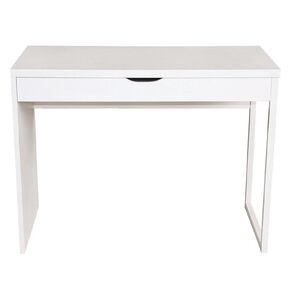
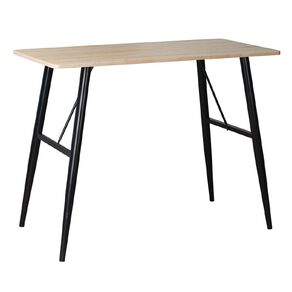
| Compact desks | Daily tasks in a smaller footprint | Check width, depth and chair clearance. |
| Narrow desks | Short walls and bedrooms | Check the wall width and that doors and walkways stay usable. |
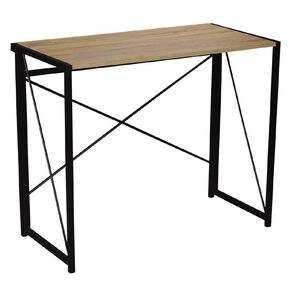
| Folding desks | Workspaces that need to be packed away | Check the size when set up and where it will be stored. |
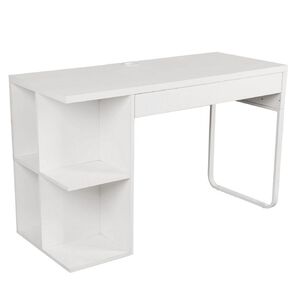
| Desks with shelves or vertical storage | Adding capacity without increasing the width | Check legroom and that drawers and shelves remain usable with the chair pulled out. |
Is a 100 cm desk wide enough?
A desk around 100 cm wide can suit a laptop, writing or occasional study. A monitor, printer or extensive storage may require additional width or depth, so measure the equipment as well as the room.
How much chair clearance is needed behind a small desk?
Allow enough space to pull the chair out and use nearby doors, drawers and walkways safely. The exact clearance depends on the chair and room layout, so measure the chair in its working position before buying.
Should I choose a folding desk or a desk with storage?
A folding desk can be useful when the workspace must be packed away. A desk with drawers or vertical storage is better when books, stationery or equipment need to remain accessible, but storage can increase the footprint or reduce legroom.